



- Publisher:mzadmin
- Published on:2026-10-12
- Pageviews:7647
Factors Affecting Concrete Utility Pole Pricing: What Determines the Cost?
In power transmission and municipal infrastructure construction, the concrete utility pole serves as a critical supporting structure, and its procurement cost holds a significant proportion of a project's total budget. Many procurement personnel find during inquiries that seemingly identical concrete utility poles receive significantly different quotations from various suppliers. This price disparity is not coincidental; it is determined by a complex combination of cost factors. Understanding these factors helps buyers make more rational decisions and avoid falling into the trap of low price and low quality. This article will deeply analyze the core dimensions that determine the cost of a concrete utility pole.
First, raw material costs are the foundation of the concrete utility pole price.
The primary raw materials for a concrete utility pole include cement, sand and gravel aggregates, reinforcing steel or prestressed steel wires, admixtures, and water. Market price fluctuations of these raw materials are directly transmitted to the final selling price of the pole. For instance, cement and steel, as products of energy-intensive industries, are heavily influenced by energy costs, environmental policies, and market supply and demand. High-quality prestressed steel wires and low-alkali cement can significantly improve the crack resistance and durability of the pole, but they also increase material costs. Furthermore, to cope with different climatic environments, such as severe cold, saline-alkali land, or high-humidity areas, specific anti-corrosion or anti-freezing agents may need to be added during production, and the use of these special admixtures also drives up production costs.
Second, production processes and technical equipment directly affect manufacturing costs.
Currently, most mainstream concrete utility poles are manufactured using centrifugal molding or vibration molding processes. Centrifugal molding can compact the concrete during high-speed rotation and discharge excess water, thereby achieving higher strength and density, but it places higher demands on equipment precision and energy consumption. Steam curing is a key step to shorten the production cycle and improve mold turnover, but it consumes a large amount of thermal energy. If a factory adopts automated batching systems, intelligent temperature-controlled curing systems, and prestressed tensioning equipment, although the initial fixed asset investment is large, it ensures product quality stability and reduces long-term labor costs. Conversely, small workshops using outdated processes may offer lower initial quotations, but their products often have hidden dangers such as insufficient density and easy cracking, resulting in high later maintenance costs.
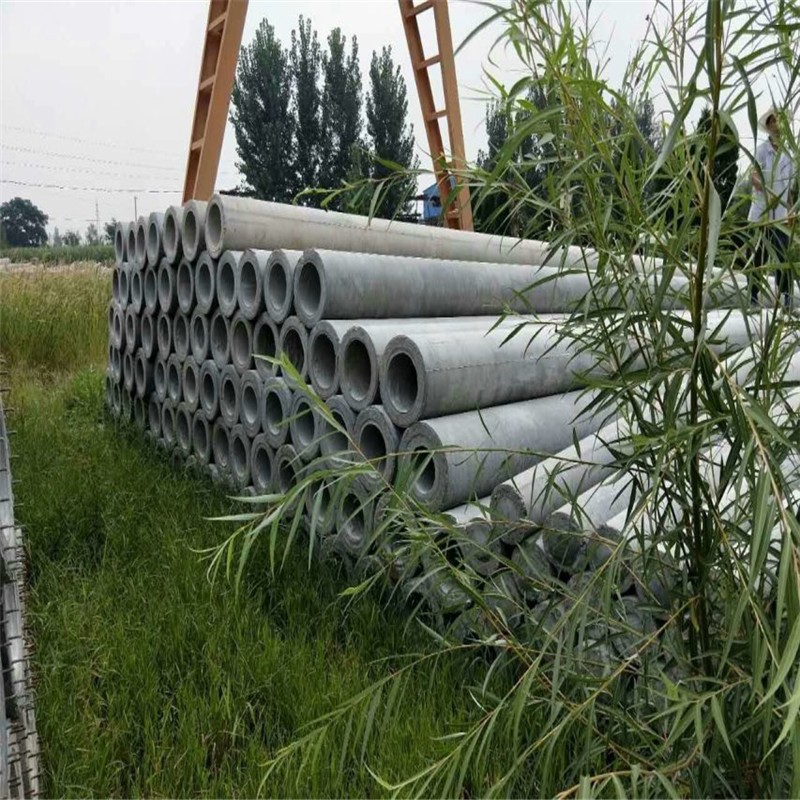
Third, pole specifications and design parameters determine customization costs.
A concrete utility pole is not a standardized general commodity; its price is highly dependent on specific design parameters. The length (e.g., 9 meters, 12 meters, 15 meters), top diameter, root diameter, and load-bearing grades (e.g., ordinary, reinforced, ultra-strong) directly affect the consumption of concrete and steel. For example, a large-span concrete utility pole crossing a river or highway requires a higher strength grade and more complex reinforcement design, naturally increasing mold and material costs. Additionally, if a project requires non-standard dimensions or special interface designs, the manufacturer needs to open new molds or adjust the production line, incurring extra customization fees. Therefore, providing detailed engineering design drawings and technical specifications during the inquiry is the prerequisite for obtaining an accurate quotation.
Fourth, logistics and transportation costs occupy a significant proportion of the total cost.
A concrete utility pole is a typical heavy and bulky cargo, and its transportation cost is often underestimated by buyers. The weight of a pole usually ranges from several hundred kilograms to several tons, and its length is considerable, requiring dedicated flatbed trailers or special transport vehicles. The distance of transportation, road access conditions (such as height and width restrictions), and the availability of loading and unloading equipment (such as cranes or forklifts) all affect logistics expenses. In cross-regional or even cross-border procurement, the packaging, handling, and insurance costs for sea or rail transport are also considerable. Therefore, when selecting a supplier, comprehensively considering its geographical location and distance to the project site can often effectively reduce the overall procurement cost.
Fifth, order quantity and market supply and demand affect price elasticity.
Bulk procurement is an effective means to reduce unit prices. For manufacturers, large-volume orders can amortize mold debugging, equipment startup, and management costs, achieving economies of scale, thereby offering certain discounts. Conversely, small-batch or scattered orders cannot achieve scale production, significantly increasing unit costs. At the same time, market supply and demand also play a regulating role. During the peak infrastructure construction season or post-disaster reconstruction periods, market demand is strong, and concrete utility pole prices may rise; while in the off-season with overcapacity and fierce competition, suppliers may lower prices to secure orders.
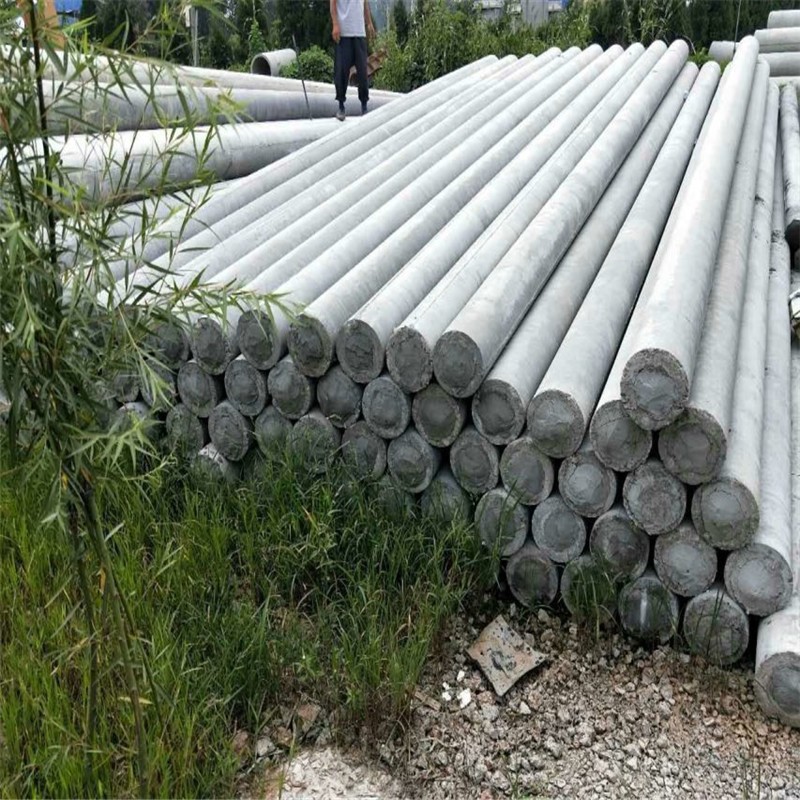
Sixth, quality standards and certification systems bring hidden costs.
A concrete utility pole complying with international standards (such as ASTM, EN, or IEC standards) requires strict raw material inspection, process control, and finished product sampling. These tests include bending load tests, crack resistance tests, and concrete strength rebound tests, requiring professional laboratories and quality inspection personnel. Obtaining third-party authoritative certifications, such as ISO quality management system certification, also requires corresponding audit and maintenance expenses. Although these quality assurance measures increase the ex-factory cost, they can significantly reduce engineering acceptance risks and decrease huge safety accidents and repair costs caused by pole breakage or collapse later on.
In summary, the price of a concrete utility pole is not determined by a single factor, but by the combined effect of multi-dimensional costs including raw materials, production processes, specification design, logistics and transportation, procurement quantity, and quality certification. As a buyer, one should not use the initial quotation as the sole evaluation criterion. It is recommended to comprehensively evaluate the supplier's production qualifications, quality control capabilities, delivery cycle, and after-sales service during procurement, and calculate the full lifecycle cost including installation and maintenance. Only by choosing a cost-effective and reliable concrete utility pole can we provide solid and long-lasting support for power engineering and infrastructure construction.
