
- Publisher:admin
- Published on:2026-08-28
- Pageviews:9564
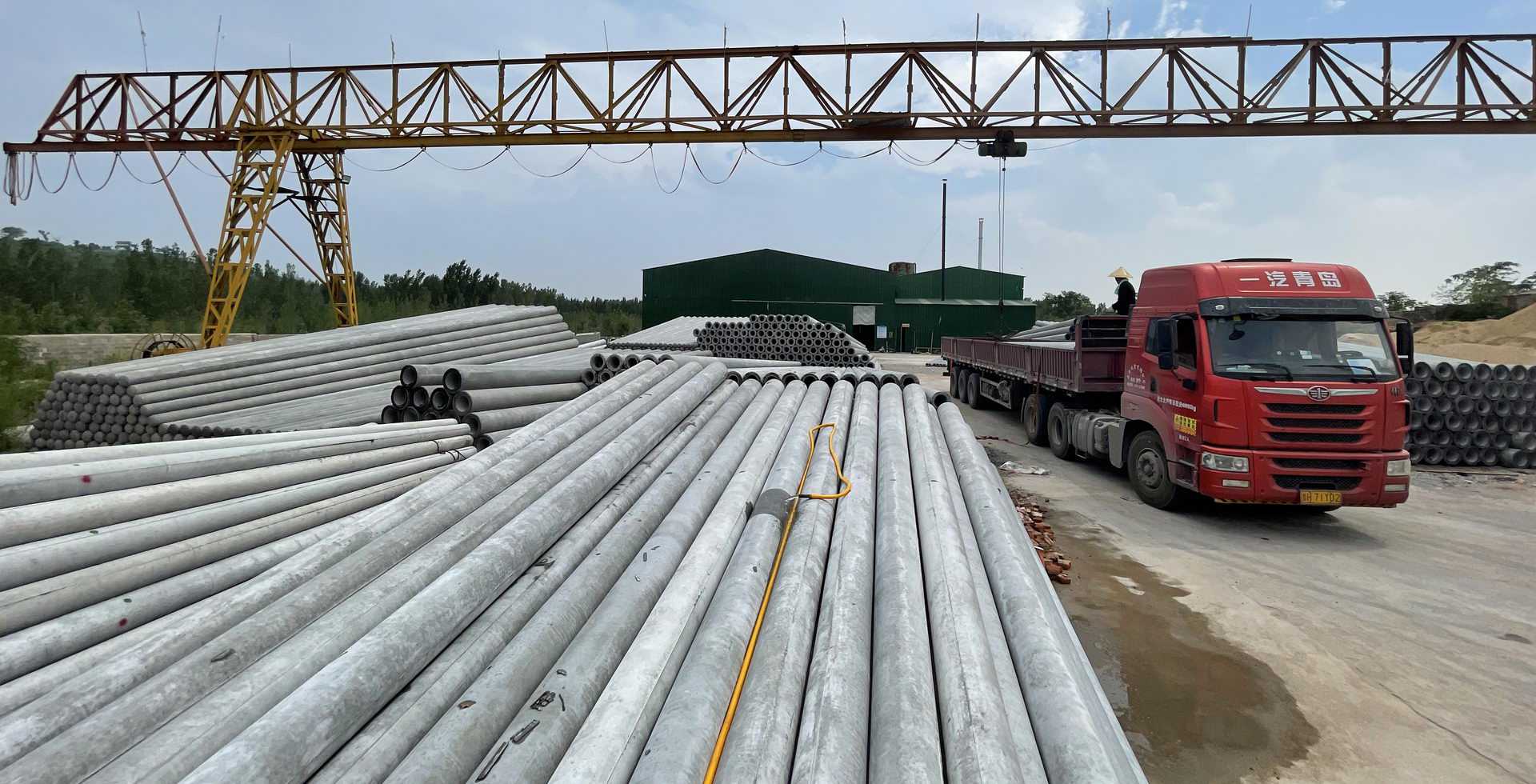
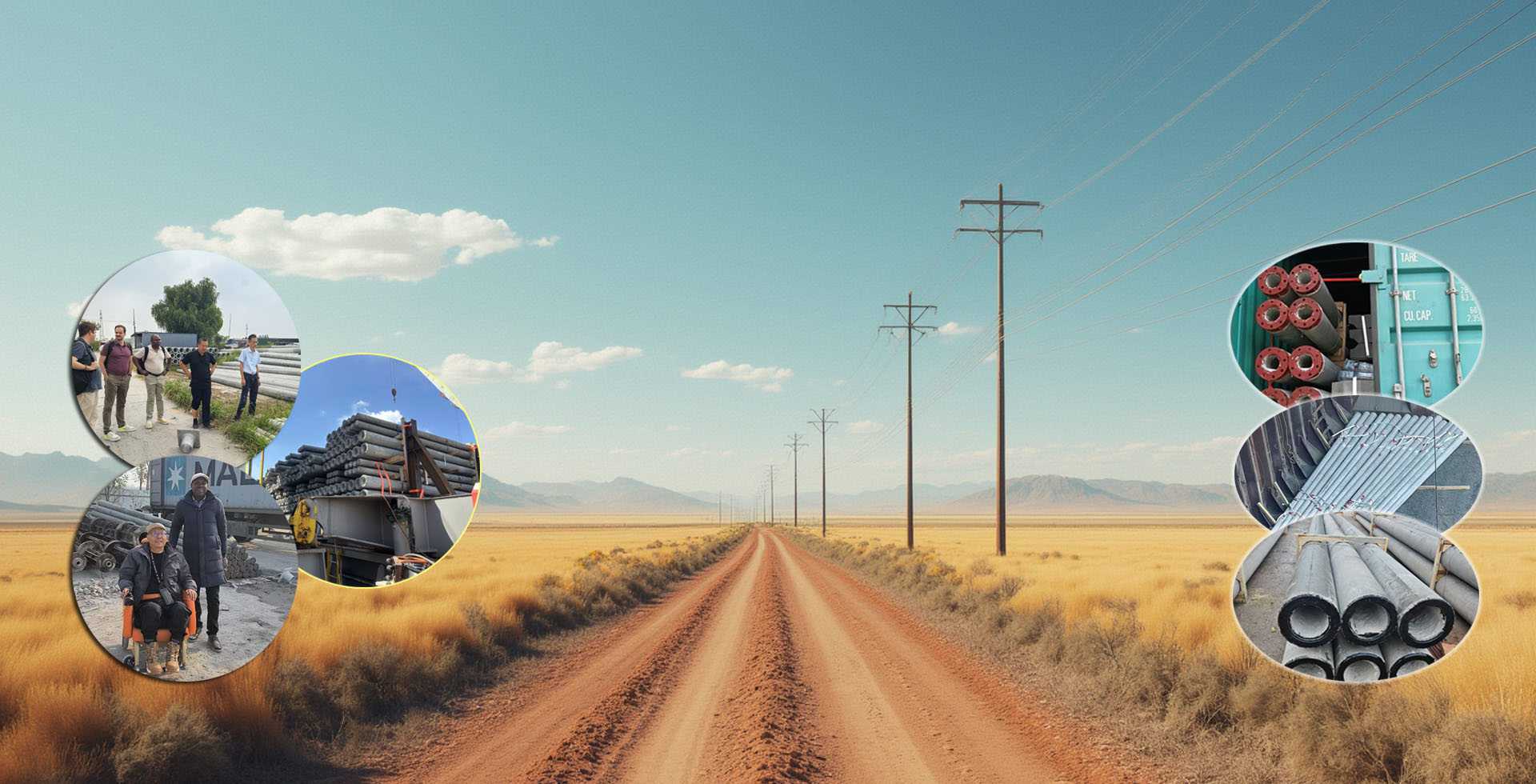
When sturdy concrete utility poles depart from domestic factories and embark on their overseas journey, they carry not only the mission of power transmission but also the quality promise of "Made in China." However, exporting concrete poles is no overnight task. Their large size, heavy weight, and susceptibility to damage make every stage—from production standards to packaging and transportation—fraught with challenges. This article provides a professional overview of the key considerations in the export process of concrete utility poles.
Standards First: The "Passport" Across Technical Barriers
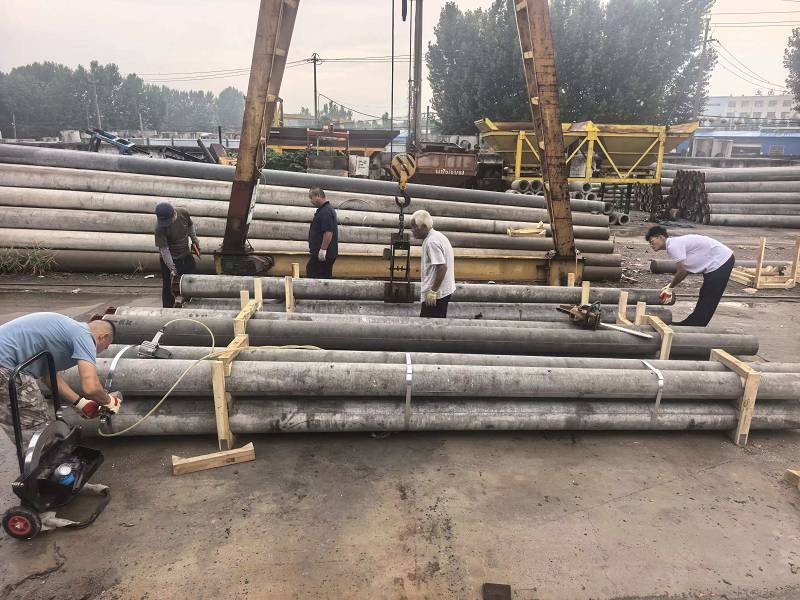
Different countries and regions impose significantly different technical requirements for concrete poles. The first barrier exporters must cross is the standards gap. Currently, China's pole production primarily follows the national standard GB/T 4623-2025 Circular Concrete Poles, which was issued on October 31, 2025, and came into effect on May 1, 2026, replacing the previous GB/T 4623-2014 version. Overseas markets, however, often require compliance with local or international specifications.
For instance, many African countries are adopting the latest regional pole standards, which set clear requirements for material properties, sampling methods, and testing procedures. The U.S. market generally applies relevant specifications under its ASTM system, covering prestressed concrete poles produced through both centrifugal casting and static casting processes. Prior to export, manufacturers must confirm the applicable standards with their clients, make targeted adjustments in raw material selection (such as cement grade and steel reinforcement strength) and production processes, and ensure that products pass third-party inspection and acceptance.
Packaging and Reinforcement: The "Armor" Against Maritime Risks
Maritime shipping is the primary mode of transport for concrete pole exports, and the rolling and humidity of long ocean voyages are major causes of product damage. In the early stages of the industry, the loss rate of exported poles during sea transport once reached as high as 40%. Thanks to continuous innovation in packaging techniques, this issue has been significantly improved.
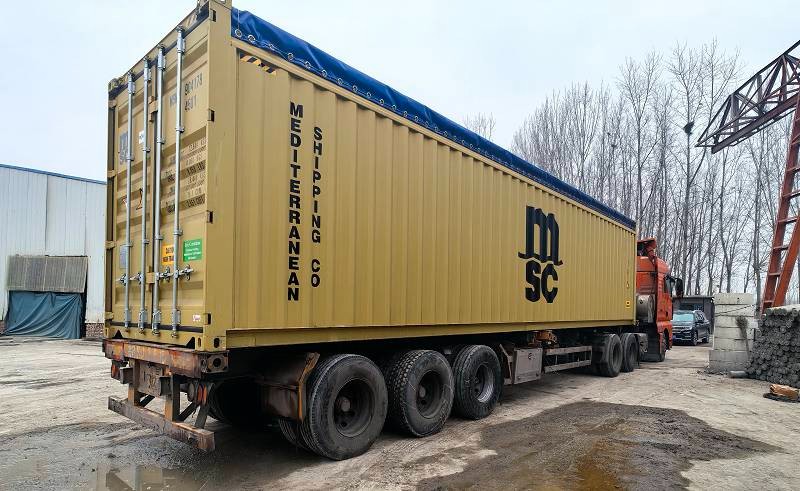
The choice of packaging solution hinges on pole length. Since the internal length of a standard ISO container is typically 11.9 meters, poles under 12 meters (such as the 11.65-meter specification) can be shipped in containers with relatively simple protection. For poles exceeding 12 meters, bulk carrier shipping is the only option, and packaging becomes the decisive factor for success. Two main approaches are currently prevalent in the industry: first, standard channel steel packaging, which, though costlier, offers robust structural strength and effectively prevents collision and rolling during loading and unloading; second, simplified steel wire rope packaging, which is more economical but requires a meticulous lashing plan. Improved pole design is equally critical—high-strength poles featuring φ7.0 PC steel bars as the main reinforcement and concrete of grade C50 or above can better withstand the demanding three-stage transit (factory–port–ocean vessel–destination).
Meticulous Loading and Transport: Safeguarding Every Kilometer
Whether for domestic road transport or international shipping, standardized loading operations are indispensable. For road transport, the 13-meter semi-trailer is a common choice. Guardrails of 1 meter in height should be welded on both sides of the trailer, with square timber spacers placed between the bottom layer and each subsequent layer of poles. The support points must strictly comply with regulations (for poles over 10 meters, the support length shall be no less than 6 meters), and wooden chocks and steel wire ropes must be used to secure the load against rolling and bouncing.
When loading bulk poles onto a vessel, channel steel or strapping bands should be used to fix them within the cargo hold, with secondary reinforcement via steel wire ropes. Additionally, possessing complete import and export qualifications is a fundamental prerequisite for compliant export, including customs declaration registration certificates and foreign trade operator registration filings.
Conclusion
Exporting concrete utility poles is a comprehensive test of manufacturing capability and logistical expertise. From product design that aligns with international standards, to packaging solutions tailored to specific conditions, and ultimately to rigorous and meticulous transportation management—every detail bears upon the reputation of Chinese poles overseas. Only by upholding professionalism at every turn can these "steel-reinforced skeletons" that carry the light of power cross vast oceans and stand firm in every corner of the world.
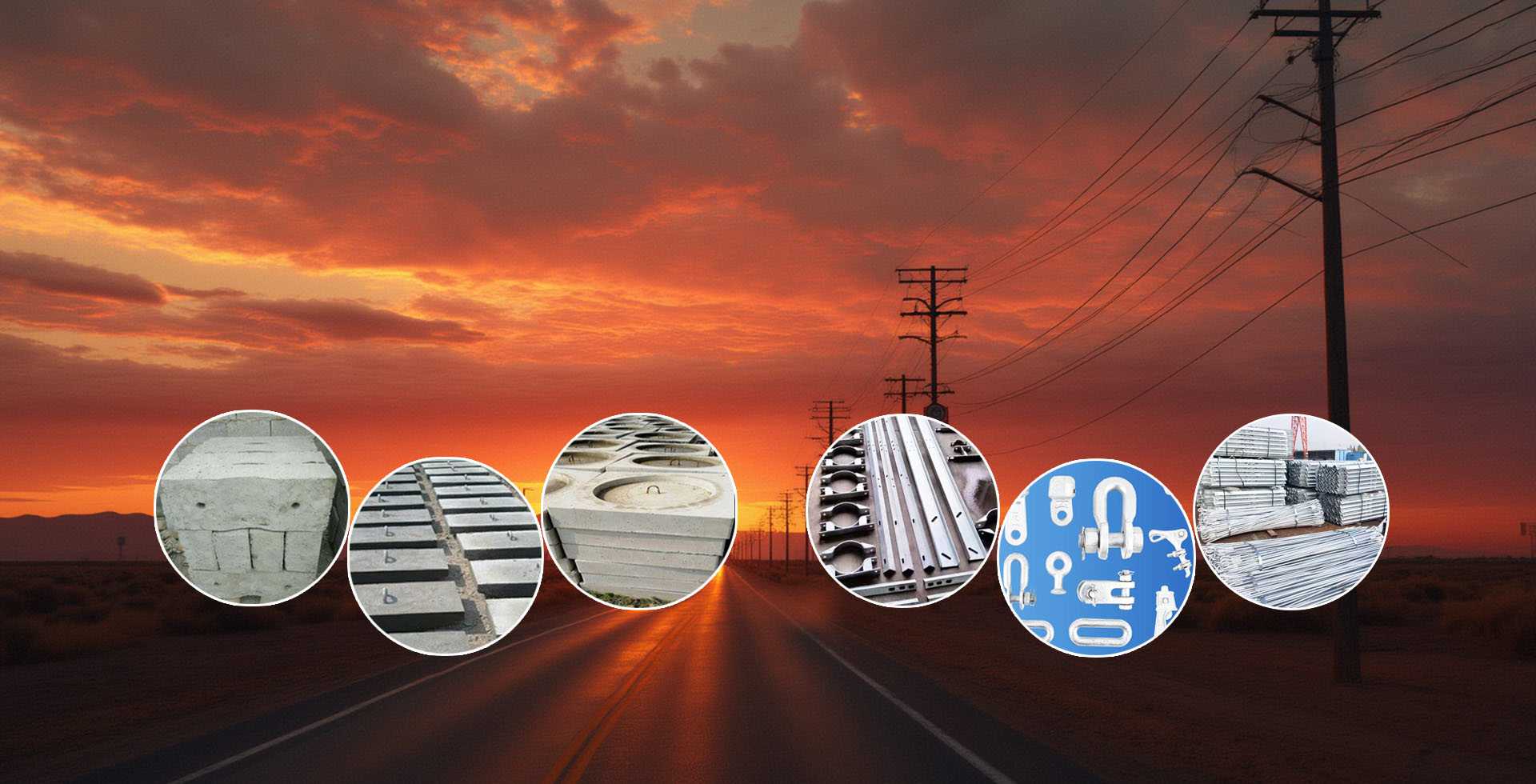
Located in Qufu, Shandong, we are a national high-tech enterprise integrating R&D, design, production, and global supply of large-scale concrete power products. We are dedicated to solving the complex coordination challenges in pole and tower supporting systems for global power and telecommunications projects, creating a "full-category, one-stop" procurement platform that covers everything from national-standard poles to specialized components. Our products are exported in bulk to countries along the "Belt and Road" initiative, including Indonesia, Senegal, and Burundi, with our business footprint spanning Southeast Asia, Africa, the Middle East, and South America. Backed by strong production capacity and consistently stable quality, we have earned the long-term repeat business trust of multiple state-owned power enterprises. We continue to contribute the solid strength of "Made in China" to global infrastructure development.
