
- Publisher:admin
- Published on:2026-08-25
- Pageviews:3786
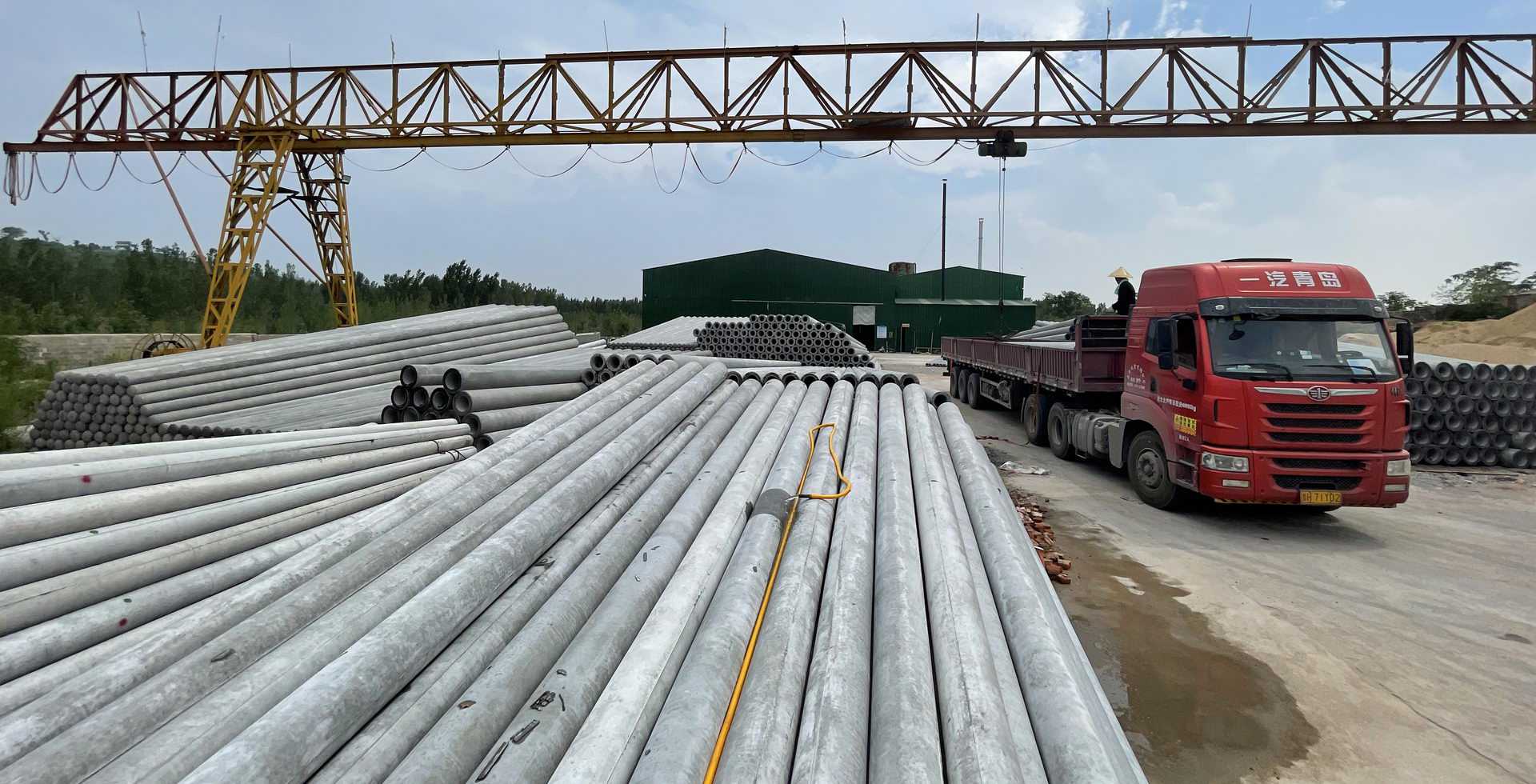
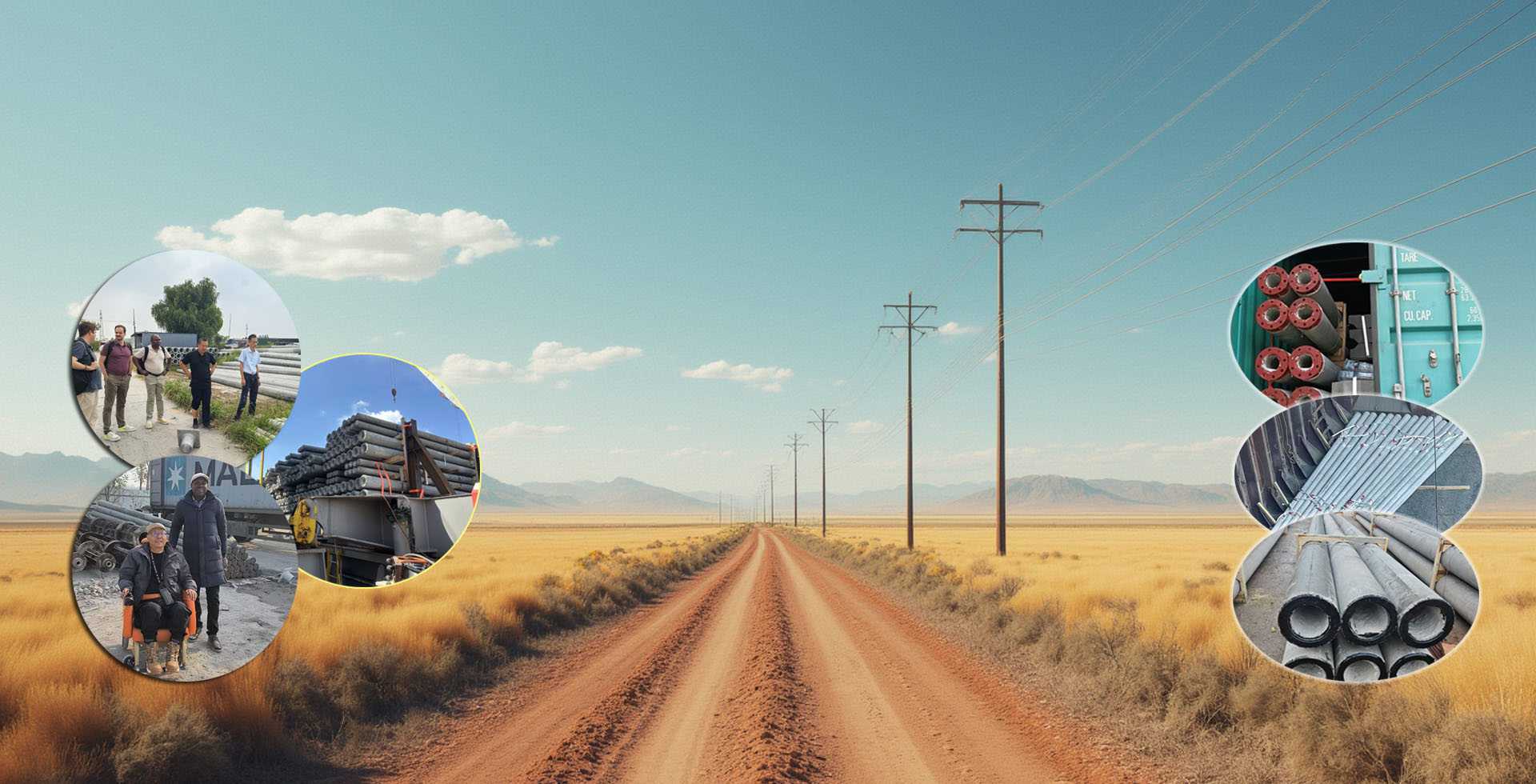
With the steady advancement of the Belt and Road Initiative, Chinese-made concrete utility poles are reaching global markets across Africa, Southeast Asia, and beyond, delivering "China's strength" to power grid construction worldwide. Yet, from the factory floor to the overseas job site, this transoceanic journey is by no means an easy one. As large, fragile, and heavy concrete products, concrete poles present a technical challenge in export logistics — a single oversight at any stage can lead to significant losses. Today, we take an in-depth look at the critical issues that must not be overlooked in the export transportation of concrete utility poles.
Preparing Ahead: Strengthening the Product from the Source
Long-haul ocean shipping and multiple transshipments impose demands on pole quality that far exceed those of domestic short-haul transport. While breakage rates for poles made with conventional processes may be manageable within domestic projects, in export scenarios that figure once reached as high as 30%, causing substantial economic losses and negative international repercussions.
In response, leading manufacturers in the industry have begun tailoring upgrade programs for export poles. The core strategy is to enhance the product's inherent resilience: first, by reinforcing the steel skeleton — upgrading the main reinforcement to φ7.0 PC steel bars and applying pre-tensioning technology to significantly improve the pole's crack resistance and toughness; second, by strengthening the concrete matrix — raising the concrete grade from the conventional C40 to C50 or higher, making the pole body denser and tougher, capable of withstanding the continuous vibration and salt-spray corrosion encountered during sea transport. This is not merely a technical upgrade but a commitment to the quality promise of "Made in China."
Packaging and Securing: Armor for the Giants
Once the poles have undergone their internal strengthening, the next challenge is packaging. Choosing the right packaging solution is key to ensuring the poles arrive at their destination without damage.
First, tailor the approach by length. Standard international containers have an internal length of approximately 11.9 meters. Therefore, poles under 12 meters can be efficiently packed into containers for standardized, safe, and highly efficient transport. Poles exceeding 12 meters, however, must be shipped as break-bulk cargo.
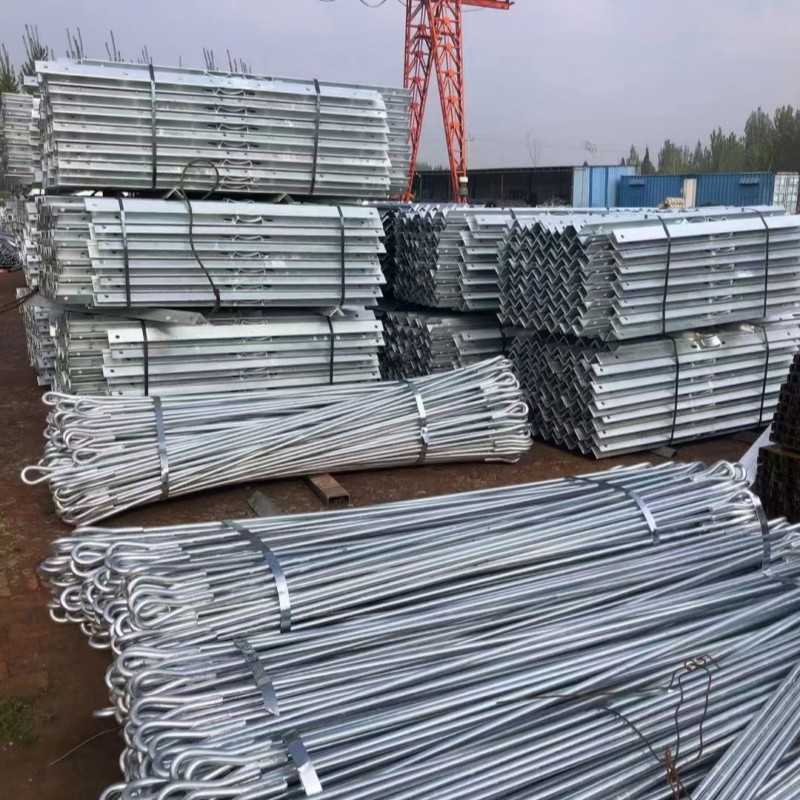
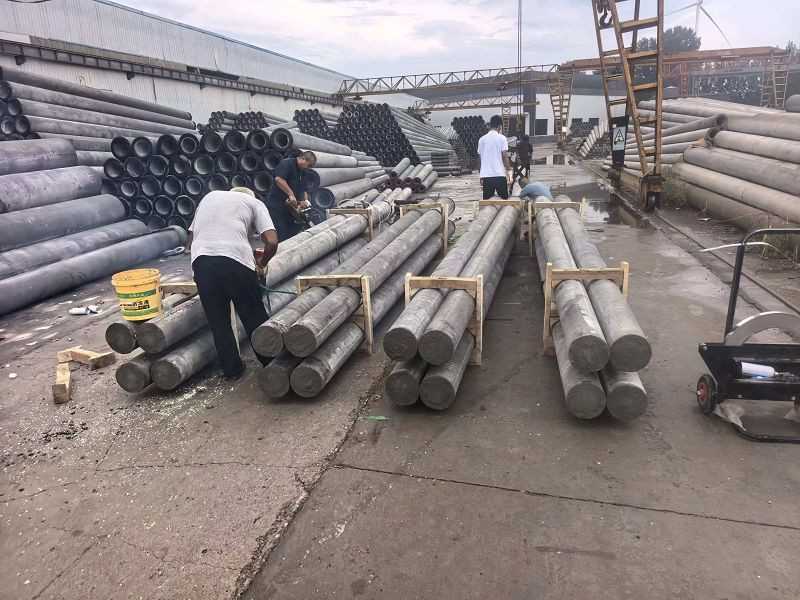
Second, choose the packaging with safety as the top priority. For loose bulk shipments, packaging acts as the poles' protective armor. There are two main options currently available: standard packaging, which uses robust channel steel as a support frame. Though slightly higher in cost, this solution is exceptionally stable and reliable, making it the preferred choice for complex long-haul ocean conditions. The other is simplified packaging, which relies primarily on steel wire rope lashing — lower in cost but somewhat less stable, suitable for shorter shipping distances or calmer sea routes. Some high-standard projects also require load-bearing steel frames that allow cargo stacking, further optimizing space utilization while ensuring safety. Details make all the difference: for instance, wrapping the pole ends with straw rope or pre-installing slings at lifting points — these seemingly small measures play a significant role in protecting the poles during loading and unloading.
Loading and Lashing: The Art of Flawless Mooring
When the poles arrive at the port, the loading phase is about firmly securing that armor to the massive vessel. For break-bulk shipping, lashing is the highest priority. Typically, the poles are first pre-secured with channel steel or professional strapping to form stable unit groups. These groups are then lifted into the hold and tightly bound to the ship's structure using high-strength steel wire ropes in a secondary lashing process. This requires extensive experience and precise calculations to ensure that, even in heavy seas, the massive poles suffer no displacement or collision.
Conclusion
The export of concrete utility poles is a quality relay race from the production line to the overseas project site. From enhancing the product's intrinsic strength, to choosing the right packaging and transport solution, to meticulous loading and lashing — each step embodies the ultimate pursuit of professionalism and responsibility. Only by considering every detail can we ensure that these "backbones of China," carrying the promise of light and hope, stand unshaken across mountains and seas, firmly rooted in every corner of the world.
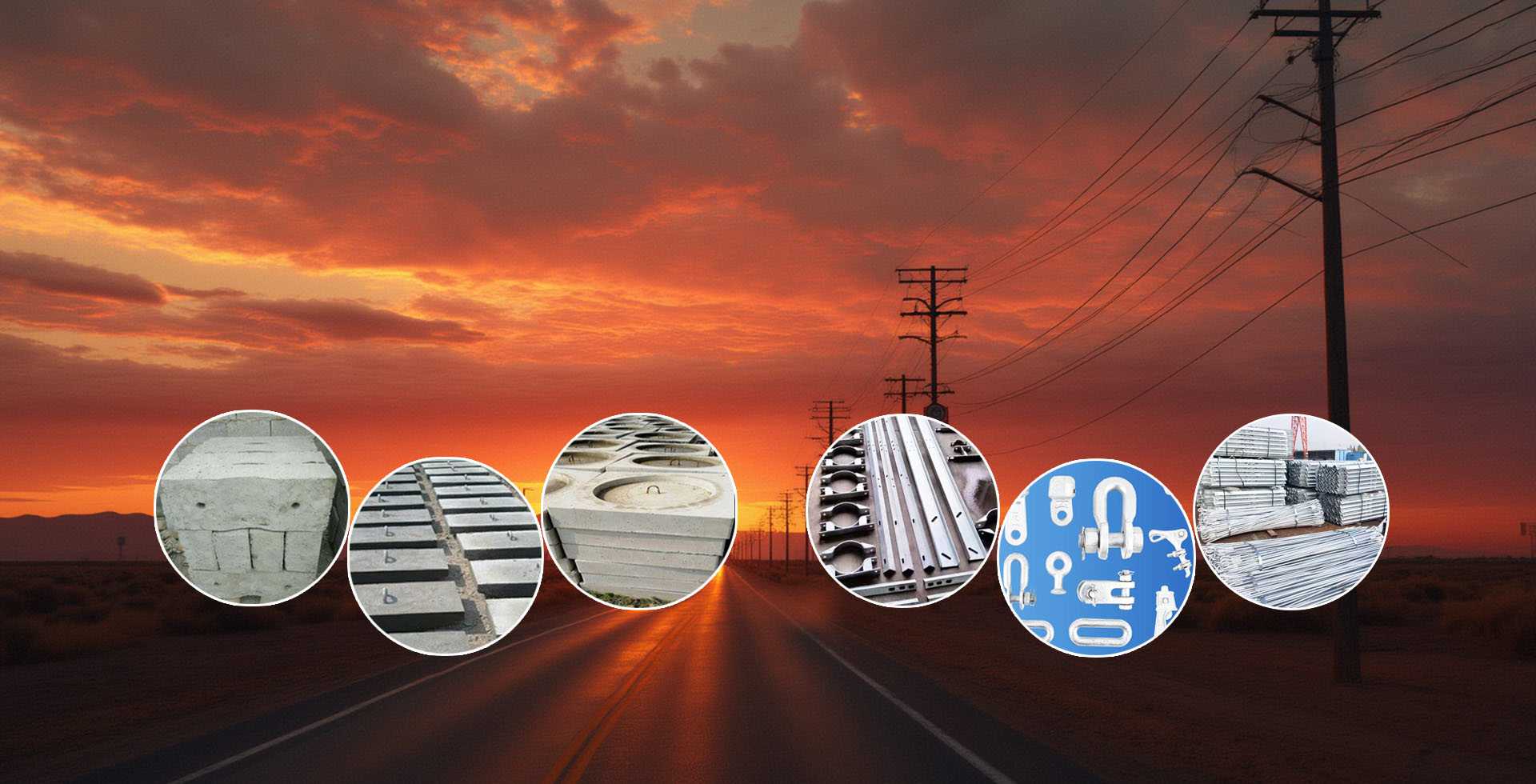
Located in Qufu, Shandong, we are a national high-tech enterprise integrating R&D, design, production, and global supply of large-scale concrete electrical products. We are dedicated to solving the complex coordination challenges in pole-tower supporting systems for global power and communication projects, offering a "full-category, one-stop" procurement platform spanning GB-standard poles to specialized components. Our products are exported in bulk to countries along the Belt and Road, including Indonesia, Senegal, and Burundi, with our business footprint extending across Southeast Asia, Africa, the Middle East, and South America. Backed by strong production capacity and consistent bulk quality, we have earned the long-term repeat trust of multiple state-owned power enterprises. We continue to contribute the solid strength of "Made in China" to global infrastructure development.
